
The nervous system beneath the behaviour —
and why training sometimes isn’t reaching the real issue.
Some horses seem to carry a constant underlying tension no matter how much love, patience, training, or support they receive.
They may appear:
- hypervigilant
- emotionally shut down
- overly reactive
- difficult to settle
- unpredictable
- disconnected
- tense in their body
- constantly “on alert”
- or as though they are always waiting for something bad to happen.
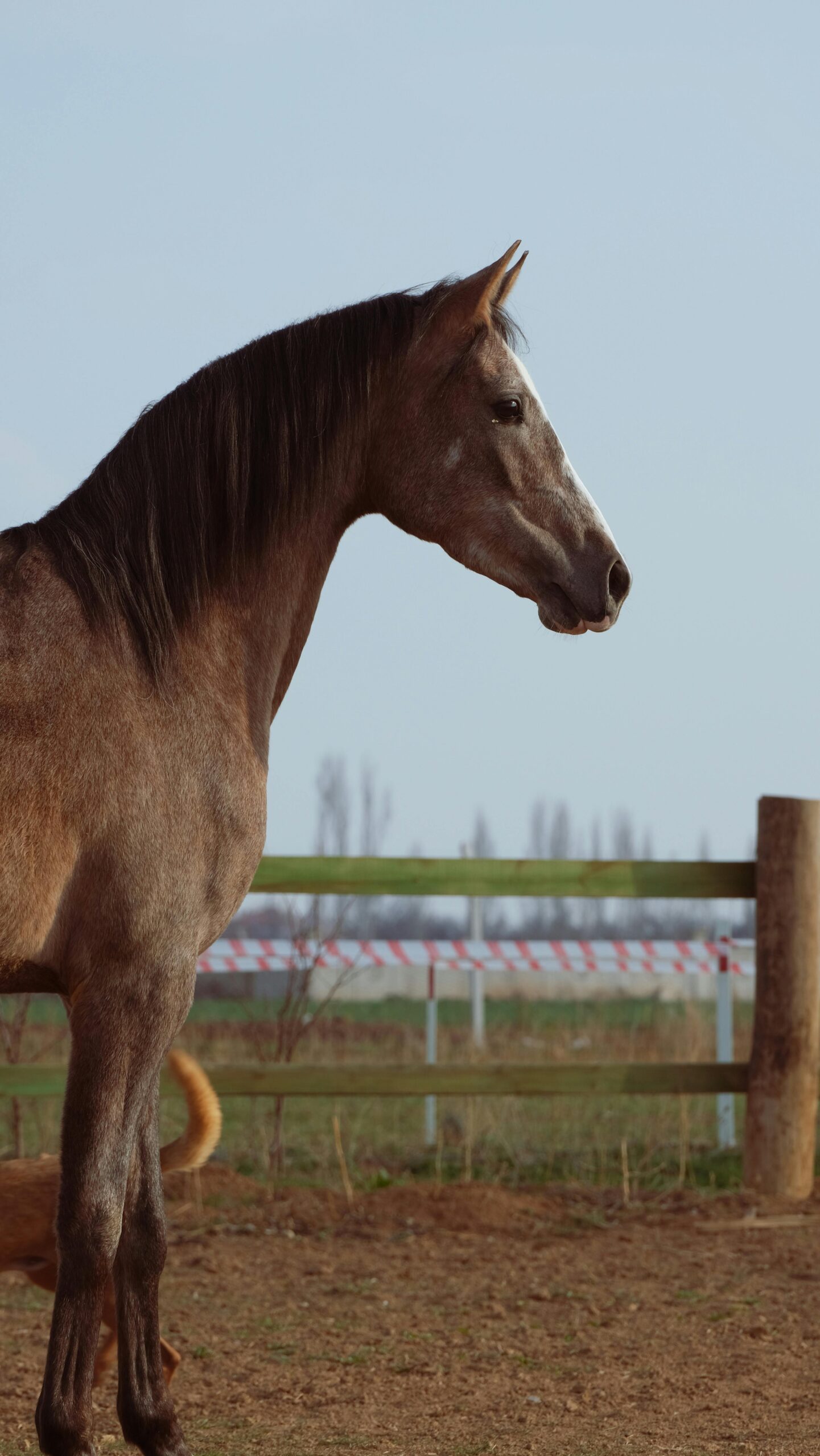
Sometimes the signs are obvious.
Other times they are subtle.
The horse who constantly scans their environment.
The horse who braces before anything has even happened.
The horse who struggles to switch off.
The horse who looks physically healthy but never truly seems at ease.
And perhaps one of the hardest parts for guardians is this:
You can be doing everything “right”…
and still feel like something deeper is being missed.
Not All Struggling Horses Look Reactive
When people think of stress or trauma in horses, they often imagine explosive behaviour.
But not all horses express overwhelm outwardly.
Some horses become:
- quiet
- emotionally flat
- compliant
- disconnected
- shut down
- difficult to fully reach emotionally.
These horses are often misunderstood because they may appear calm on the surface while internally remaining deeply dysregulated.
Others swing between both states:
holding everything in until eventually something tips them over threshold.
In many cases, these behaviours are not signs of a “bad” horse or a horse intentionally trying to make life difficult.
They are often signs of a nervous system that no longer fully feels safe.
The Nervous System Beneath the Behaviour
Like humans, horses have nervous systems designed to protect them from danger.
When a horse experiences fear, stress, overwhelm, pain, harsh handling, emotional shock, or prolonged periods of uncertainty, the nervous system can shift into survival mode.
This may look like:
- fight
- flight
- freeze
- hypervigilance
- emotional shutdown
- bracing
- chronic tension
- overreaction
- difficulty relaxing.
The important thing to understand is that sometimes the nervous system continues responding as though the danger is still present… even when the original situation has passed.
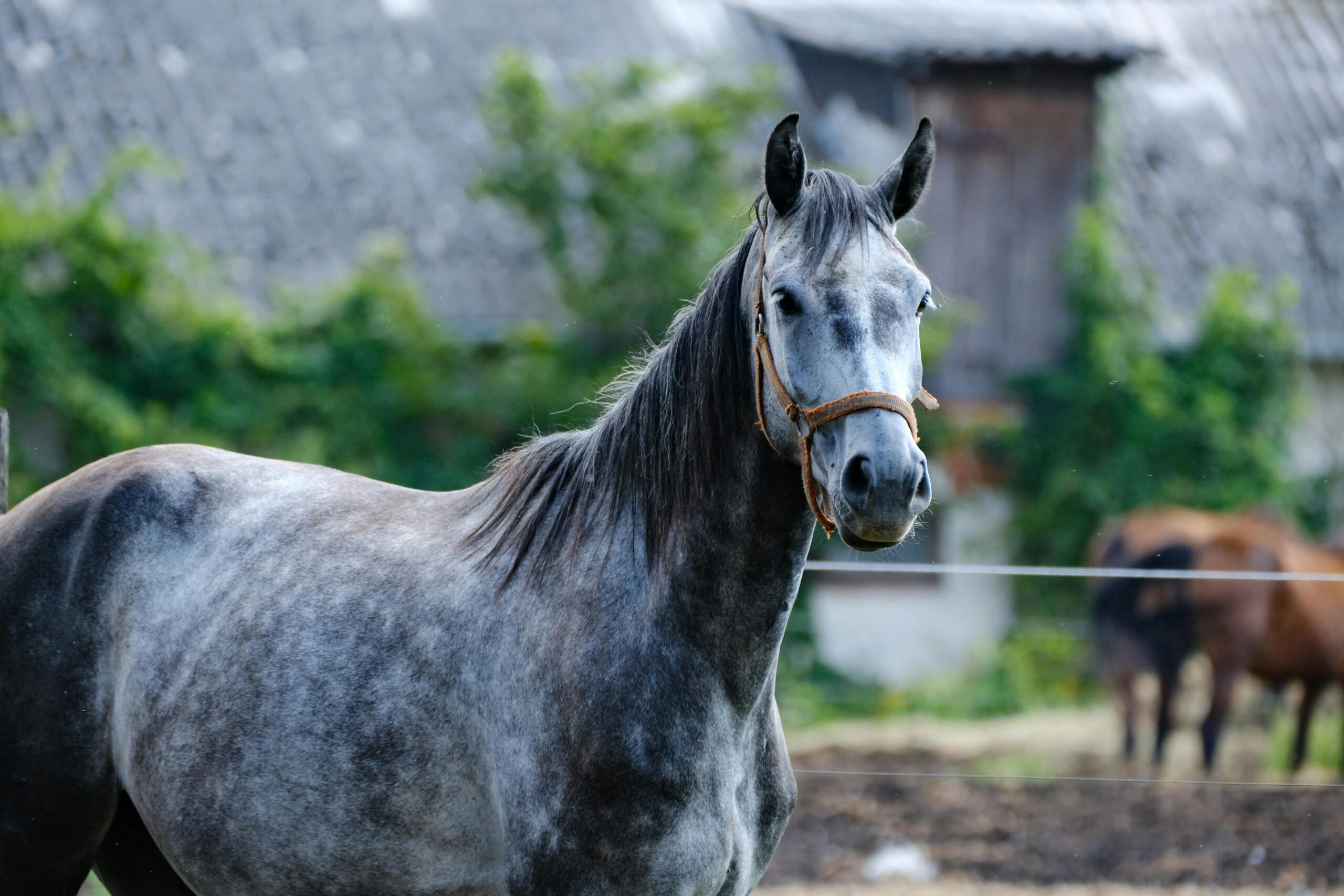
This is one reason some horses struggle to fully settle despite:
- consistent handling
- good training
- bodywork
- calm environments
- loving guardians.
The body may be physically safe now, but the nervous system may still be operating from old protective patterns.
Why Training Sometimes Isn’t Reaching the Root Cause
Training is incredibly important.
Supportive, compassionate training can help horses build confidence, understanding, safety, and connection.
But sometimes guardians reach a point where they feel like they are constantly managing symptoms rather than creating lasting internal change.
That can be deeply exhausting emotionally — especially when you are genuinely trying to help your horse feel better.
Sometimes the issue is not a lack of training.
Sometimes the horse has simply spent so long in survival mode that their nervous system struggles to fully let go of tension and self-protection.
A horse can learn behaviours while still internally feeling unsafe.
And this is often where people begin sensing there may be a deeper emotional or nervous system component involved.
Horses Remember Emotionally
Horses are incredibly sensitive beings.
Even when the body appears physically fine, experiences can continue affecting the nervous system emotionally and energetically long after the original event has passed.
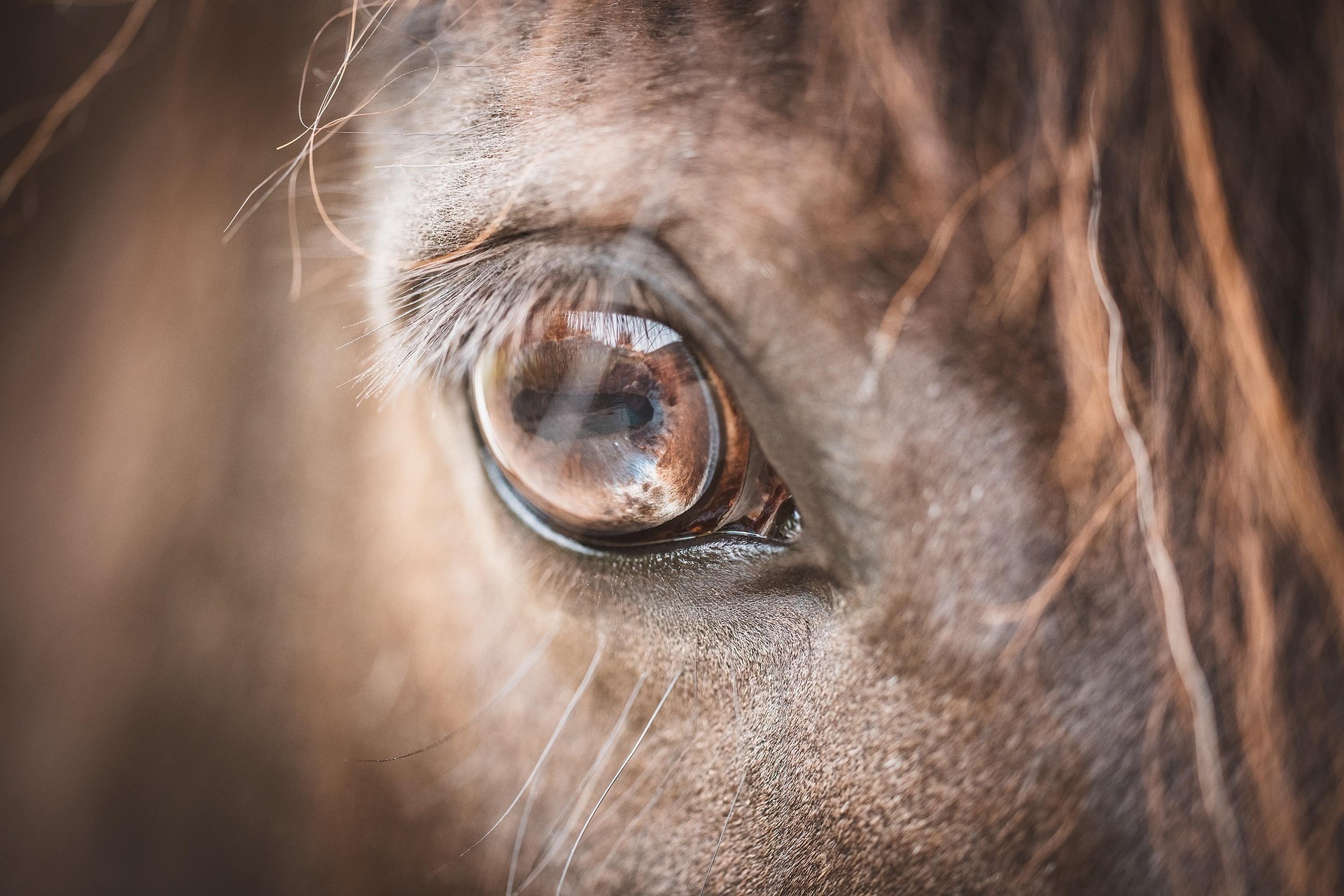
This does not mean horses are “broken.”
It means their system may still be carrying stress, fear, overwhelm, or protective responses that have not yet fully resolved.
Often, these horses are not trying to resist connection.
They are trying to feel safe enough for connection.
Where Energy Healing Can Help
Energy healing works gently to support the nervous system, emotional body, and energetic system of the horse, helping release stress, tension, emotional overwhelm, and survival-based holding patterns the horse may still be carrying.
The goal is not to force change.
The goal is to help the horse feel safer internally.
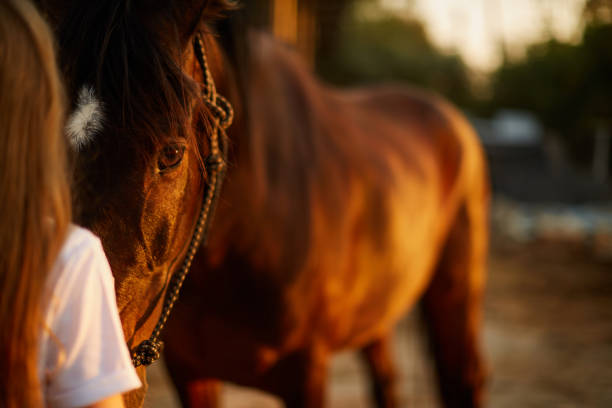
Over time, many guardians report their horses becoming:
- calmer
- softer
- more emotionally present
- more connected
- less reactive
- more able to relax
- and more settled within themselves.
Sometimes the shifts are subtle.
Sometimes they are profound.
But often the biggest change is that the horse simply seems to feel more at peace within themselves.
A Different Way of Looking at Behaviour
I believe many horses are not “giving us a hard time.”
Many are having a hard time internally.
And sometimes what looks like resistance, tension, inconsistency, or emotional shutdown is actually a nervous system still trying to protect the horse the best way it knows how.
When we begin looking beneath the behaviour itself, we often discover a horse that is not trying to fight against us…
but a horse that may no longer know how to fully relax.
Does This Sound Like Your Horse?
If you've been reading this and quietly thinking,
"That sounds exactly like my horse..."
then you don't have to figure it out alone.
Every horse's story is unique, and there's no one-size-fits-all answer.
That's why I take the time to understand each horse's history, experiences, personality, and the challenges they're facing before discussing whether energy healing may be the right approach.
If you'd like to explore whether energy healing could help your horse, I'd love to hear your story and answer any questions you may have.
You can either:
- Book a free, no-obligation clarity call, where we can talk about your horse and whether this approach feels like the right fit.
OR
- Send me an email if that's more comfortable. I'm always happy to answer questions and point you in the right direction.
Whether you decide to work with me or simply gain a better understanding of what your horse may be experiencing, I hope this article has helped you see their behaviour through a different lens.
Sometimes, the greatest gift we can offer our horses isn't asking them to try harder...
...it's helping them finally feel safe enough that they no longer have to.